Recent Advances in Climate Action and Environmental Science
Discover recent global climate actions, scientific breakthroughs, and innovative technologies enhancing our understanding and protection of the planet.

1. Reflecting on 10 Years Post-Paris Agreement
Ten years after the Paris Agreement, significant progress has been made in global climate action, yet challenges persist. Countries have made strides in reducing emissions and transitioning to renewable energy sources, but more concerted efforts are needed to meet climate goals. This analysis highlights achievements, setbacks, and the path forward, underscoring the importance of international cooperation and ambitious policies to combat climate change effectively.
Source:ECIU
2. State of Global Air Report 2025
The 2025 State of Global Air report reveals critical insights into air quality and its impacts on health worldwide. While some regions have improved air quality due to stringent regulations and cleaner technologies, others continue to suffer from high pollution levels. The report emphasizes the need for global efforts to reduce pollutants, protect public health, and address climate change interconnections, highlighting the importance of continued international monitoring.
Source:State of Global Air
3. Emerging Animal Groups Facing Extinction Risk
New research indicates that lesser-known animal groups are at a high risk of extinction, drawing attention to biodiversity conservation beyond iconic species. The study identifies critical conservation priorities for these vulnerable creatures, advocating for comprehensive strategies to protect entire ecosystems. Preserving biodiversity requires a holistic approach, ensuring that all life forms, not just high-profile species, receive necessary conservation efforts to maintain ecological balance.
Source:Phys.org
4. UN Urges Increased Investment in Health Systems
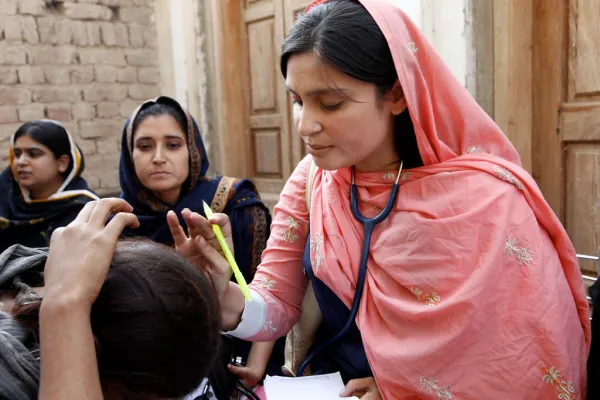
The United Nations is calling for substantial investments in health systems to combat inequities and enhance global health security. The push for investment focuses on building resilient healthcare infrastructures capable of withstanding future crises, ensuring access to essential services for all. Prioritizing health equity and preparedness is fundamental for sustainable development and global recovery from health emergencies.
Source:UN News
5. AI Aids Indian Farmers in Climate Adaptation
A novel application of artificial intelligence is helping Indian farmers adapt to climate change by accurately forecasting monsoon patterns. This technology aids in decision-making, optimizing agricultural practices and mitigating risks associated with unpredictable weather. The initiative illustrates AI’s potential in empowering farmers, enhancing resilience, and ensuring food security amidst growing climate challenges. It represents progress in merging technology with traditional agriculture.
Source:Human Centered Forecasts
6. Urban Green Spaces Enhance Well-Being
Recent studies underscore the role of urban green spaces in boosting mental and physical health. Cities prioritizing green space development see improvements in residents’ well-being, social cohesion, and environmental quality. The findings advocate for integrating more nature into urban planning as a low-cost strategy to promote public health and environmental sustainability, emphasizing the multifaceted benefits of green urban areas.
Source:Link Placeholder
7. NIH Award Fuels Biomedical Research
The Scripps Research Institute received a significant NIH award, fostering advancements in biomedical research. This funding supports innovative projects aimed at tackling pressing health challenges, driving breakthroughs in treatment and prevention strategies. The award highlights the critical role of research institutions in improving health outcomes, fostering innovation, and expanding the frontiers of medical science, illustrating a commitment to public health advancement.
Source:Scripps Research