Global Advancements in Health, Energy, and Conservation
Discover major global advancements in health, energy transition, and conservation, highlighting impactful efforts towards a sustainable and healthier future.

1. Decline in HIV and AIDS in India
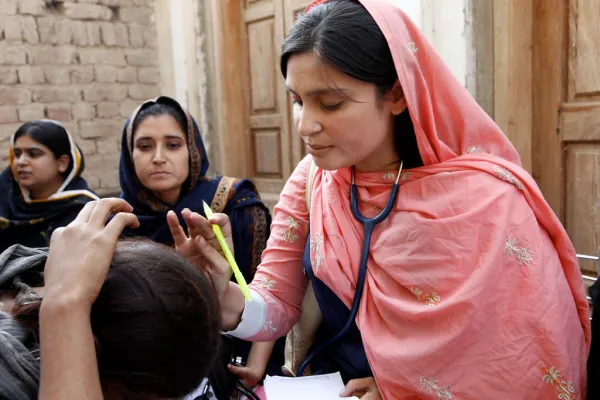
India has witnessed a significant decline in HIV infections and AIDS-related deaths since 2010, marking a substantial public health victory. Focused efforts on awareness, prevention, and treatment initiatives have contributed to this downward trend. This progress highlights the effectiveness of comprehensive healthcare strategies in combating viral infections and underscores the importance of continued investment in public health infrastructure to sustain and enhance these results.
2. China’s EV Boom Reshapes Energy Market
China’s electric vehicle (EV) market is experiencing unprecedented growth, which is anticipated to drastically reduce gasoline demand. This shift towards EVs aligns with global sustainability goals, reducing carbon emissions and urban pollution. As China leads in the transition to cleaner transportation, the global energy landscape undergoes significant transformation, highlighting the pivotal role of technological innovation in fostering environmental resilience and economic sustainability.
3. New Protected Area in Bolivia
The Arroyo Guarichona Protected Area in Beni, Bolivia, conserves crucial floodplains and pre-Columbian archaeological sites. This new conservation effort highlights Bolivia’s commitment to preserving its unique natural and cultural heritage. By safeguarding biodiversity and protecting historic sites, the initiative enhances ecological resilience, supports wildlife habitats, and celebrates the region’s rich anthropological history, offering a model for integrated conservation strategies.
4. Evaluating Global SDG Progress
A report evaluates the world’s progress on the Sustainable Development Goals (SDGs), revealing a mixed picture of achievements and challenges. While advancements are noted in areas like health and education, significant gaps remain in reducing inequality and environmental sustainability. The analysis underscores the necessity for accelerated efforts, international collaboration, and innovative solutions to overcome persisting challenges and collaboratively work towards achieving the SDGs by 2030.
5. Improved Global Electricity Access
Global electricity access improved in 2024, bouncing back after recent setbacks. Enhanced infrastructure, investments in renewable energy, and international cooperation have contributed to this progress, particularly in developing regions. These advancements are vital for socio-economic development and highlight the importance of continued focus on sustainable energy solutions to ensure a resilient and inclusive future, addressing systemic energy inequities worldwide.
6. India Secures Landmark Deal for National Access to Global Academic Journals
India, the world’s third largest producer of research papers, is set to vastly improve access to academic resources for its researchers and students through a transformative new agreement. The Indian government recently struck a deal under the One Nation One Subscription scheme, providing approximately 18 million students, faculty, and researchers free access to about 13,000 journals from 30 global publishers. Starting January 1, 2025, this three-year deal addresses a longstanding issue where many Indian institutions could not afford subscriptions. This comprehensive agreement, which took two years of negotiations, is the largest globally.
7. Fossil Fuel Divestment by Christian Institutions
In a significant climate action, numerous Christian institutions have announced divestment from fossil fuels during COP29. This collective effort aligns with global sustainability goals, advocating for a transition to renewable energy and reinforcing moral and ethical responsibility in tackling climate change. The movement exemplifies the growing influence of faith-based organizations in environmental advocacy, promoting a shift towards sustainable economic practices.