Global Breakthroughs in Conservation, Health, and Archaeology
Explore advancements in marine conservation, population health improvements, and archaeological discoveries shaping understanding and future sustainability.

1. Marine Protected Areas Boost Fish Populations
Marine Protected Areas (MPAs) across California have significantly increased fish populations, a recent study reveals. These protected regions have become crucial in preserving biodiversity and enhancing marine ecosystems’ health. By restricting human activities like fishing, MPAs provide safe havens for marine life, leading to thriving fish communities and contributing to sustainable fisheries management along the California coast.
Source: Baird Maritime
2. American Oystercatcher Population Rebound
Through dedicated conservation efforts, the American Oystercatcher population has rebounded by 45%, showcasing successful wildlife management. This resurgence highlights the positive impact of habitat protection and targeted conservation programs. By fostering conditions that promote breeding and survival, conservationists help ensure the oystercatcher’s continued recovery, emphasizing the importance of sustained wildlife protection initiatives for biodiversity.
Source: Environment + Energy Leader
3. UK Achieves Renewable Energy Milestone
The UK has reached an impressive milestone by generating more electricity from renewable sources like wind power than fossil fuels for the first time. This shift signifies a crucial transition in energy production, driven by wind and solar power advancements. The milestone underscores the UK’s commitment to reducing carbon emissions and battling climate change, setting a precedent for global energy transformation towards sustainability.
Source: BBC
4. Demographic Shifts and Poverty Decline in Iraq
Iraq’s latest census reveals significant demographic shifts and a decline in poverty levels, signaling socio-economic progress. Greater access to education and healthcare has contributed to improved living standards across the nation. These changes reflect Iraq’s ongoing efforts to enhance economic resilience and social welfare, fostering a more stable future for its population amidst challenging circumstances.
Source: Shafaq News
5. Child Mortality Declines in Asia
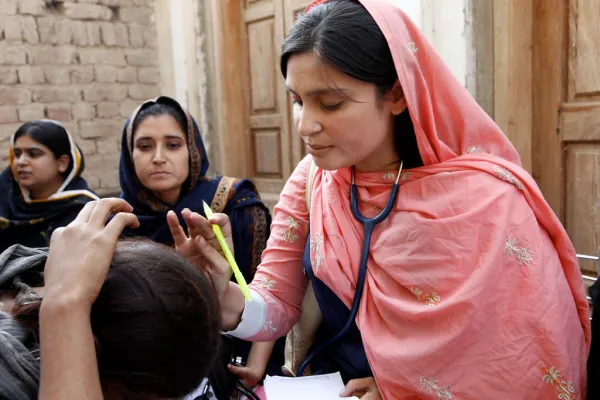
Nine Asian countries have achieved remarkable gains in reducing child mortality rates, more than halving these rates since 2000. This achievement is attributed to improved healthcare access, vaccination programs, and maternal education. The progress signifies significant strides towards meeting global health targets and underscores the impact of sustained health initiatives in safeguarding children’s lives across diverse regions.
Source: Our World in Data
6. Trends in Global Foreign Aid Distribution
Analysis of foreign aid trends reveals an increased emphasis on supporting sustainable development and humanitarian efforts globally. The shift highlights a growing recognition of international aid’s role in fostering economic stability and improving quality of life in recipient countries. By strategically aligning foreign aid distribution with sustainable development goals, donor countries contribute to global welfare and equity.
Source: Our World in Data
7. Discovery of an Ancient Amazonian Civilization
Archaeologists have discovered an ancient Amazonian civilization that once housed a million inhabitants, revealing insights into the region’s historical complexity. The findings highlight advanced societal structures and environmental adaptation methods, offering a deeper understanding of pre-Columbian cultures in the Amazon. This discovery emphasizes the rich cultural heritage and historical significance embedded within the Amazon rainforest.
Source: RTVE